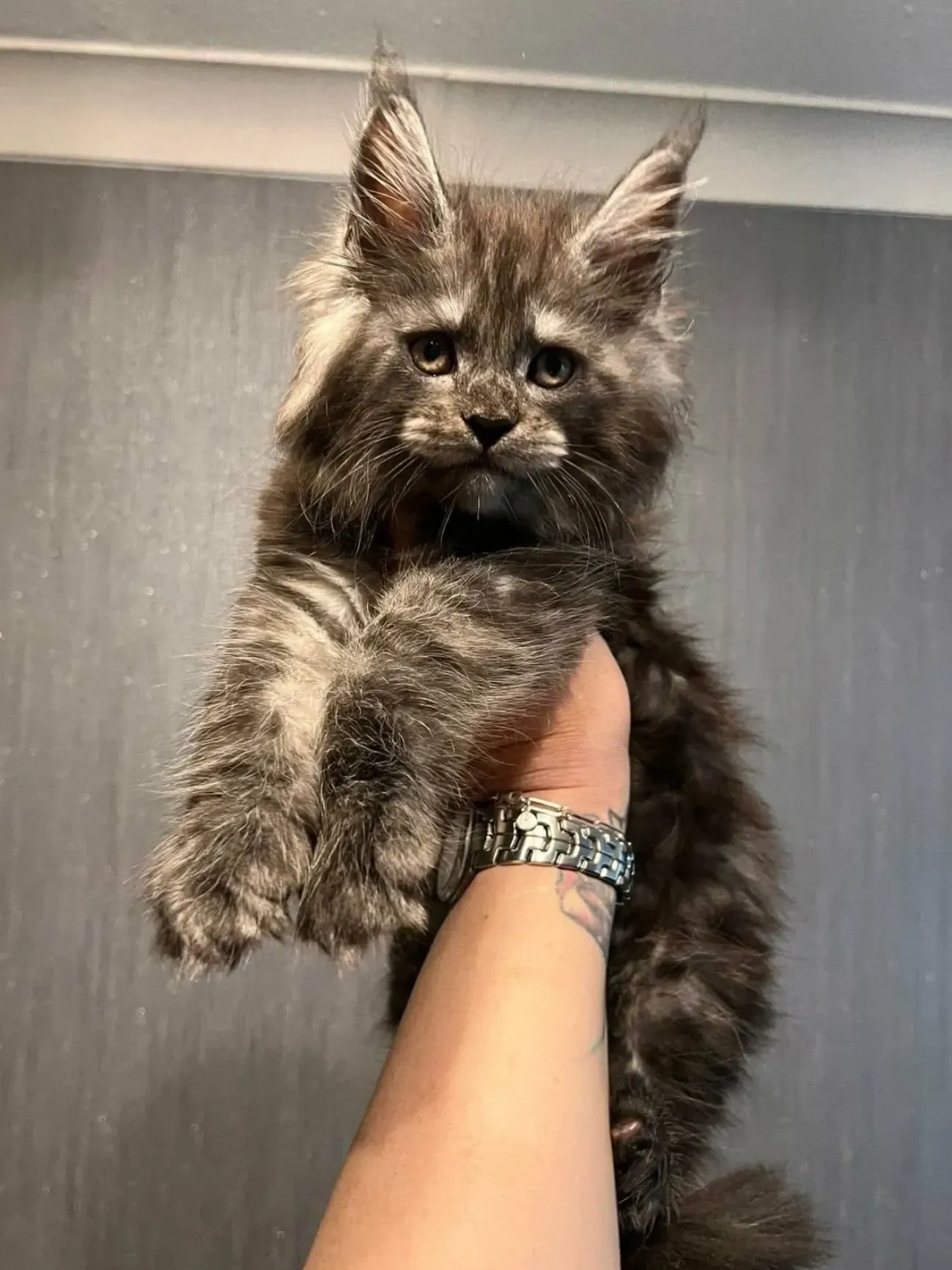
Germany is one of the most common origin countries for pedigree cats moving to Singapore. It has a deep breeding tradition, a reliable veterinary system, and good cargo connections from Frankfurt and Munich. It is also a Schedule II country in Singapore's import framework, which means the process is structured and predictable, but it takes time and careful sequencing.
This guide walks through what a Germany to Singapore cat move actually involves: the health requirements, the role of the EU pet passport, realistic costs, and the timeline you need to plan around.
Why Germany is a Schedule II country
Singapore's Animal & Veterinary Service (AVS) groups countries by rabies risk. Germany sits in Schedule II, the controlled-risk category. This is the same tier used for most of Western Europe.
Schedule II is more demanding than the lowest-risk tier because it adds a rabies blood test and a mandatory waiting period before export. The upside is that, once the requirements are met, the cat travels straight to Singapore without quarantine on arrival.
The requirements in order are:
- A microchip that meets ISO 11784/11785, implanted and recorded before rabies vaccination.
- A rabies vaccination given after the microchip.
- A wait of at least 28 days after vaccination before the rabies blood test.
- A rabies serology test (RNATT) returning a result of 0.5 IU/ml or higher.
- A wait of 90 days from the date of the blood sample before the cat can enter Singapore.
The order matters more than anything else. If the microchip is recorded after the rabies vaccination, the vaccination may not be accepted, and the clock can reset. This is the single most common cause of delay on European moves, so it is worth checking the dates carefully before you commit to a travel plan.
The microchip and rabies sequence
Most German pedigree kittens are already microchipped early, often at the breeder. The key question is whether the microchip date sits before the rabies vaccination date in the records. If it does, you are usually in good shape.
The rabies vaccination must be current at the time of travel. If the cat's vaccine is due to expire before the move, a booster is given, and the records must show continuous coverage.
After vaccination, you wait at least 28 days, then the vet draws blood for the RNATT test. German samples are typically sent to an EU-approved laboratory, and results take a couple of weeks. Once you have a passing result of 0.5 IU/ml or above, the 90-day export countdown begins from the date the blood was drawn, not the date the result came back.
The EU pet passport: useful, but not sufficient
German vets routinely issue an EU pet passport. This is a small booklet that records the microchip number, the rabies vaccination history, and other treatments. It is genuinely useful documentation because it consolidates the cat's history in a recognised format, and it travels with the animal across the EU.
It is important to be clear about what the passport does and does not do for a Singapore move.
It does not replace Singapore's own paperwork. You still need:
- An AVS import licence, applied for from Singapore before travel.
- An export health certificate issued by a licensed vet close to the travel date, confirming the cat is fit to fly and meets the import conditions.
Think of the EU passport as supporting evidence that backs up the import licence application and the health certificate. It is helpful, but the licence and the certificate are the documents that actually authorise entry.
Flying out of Frankfurt or Munich
Germany has two main cargo airports for live animals: Frankfurt (FRA) and Munich (MUC). Both have established animal handling facilities and direct or well-connected routing to Singapore.
The cat travels in an IATA-compliant crate sized so it can stand, turn around, and lie down comfortably. Buying the crate early and letting the cat get used to it before travel makes a real difference to how it copes with the journey.
Routing is usually as direct as possible. Fewer connections mean less handling and less stress, so a non-stop or single-transit route is generally preferred over a cheaper multi-leg option.
Costs for a Germany to Singapore move
Costs vary with the season, the airline, the cat's size, and the crate dimensions. The ranges below reflect typical figures for a single cat moving from Germany to Singapore.
| Item | Typical cost (SGD) |
|---|---|
| Air cargo, Europe to Singapore | $2,200 – $3,800 |
| IATA-compliant travel crate | $180 – $450 |
| Origin vet, serology and paperwork | $400 – $900 |
| AVS import licence fee | $50 – $200 |
| GST on declared value | 9% of declared value |
| Pet agent clearance in Singapore | quoted per shipment |
A few notes on these figures:
- GST is charged at 9% on the declared value of the cat, separate from shipping. Declaring the value accurately matters, as customs assesses GST on entry.
- Air cargo is the largest single cost and the most variable. Booking ahead and avoiding peak travel periods helps.
- The origin vet line covers the rabies serology, the health certificate, and the administrative work involved in preparing the export.
Budgeting toward the upper end of each range gives you a sensible buffer, since exchange rates, fuel surcharges, and crate sizing can all push the total up.
A realistic timeline
The Germany to Singapore timeline is driven by two fixed waits: the 28-day wait after rabies vaccination, and the 90-day wait after the blood sample. Together with lab turnaround and paperwork, this puts most moves at roughly 6 to 7 months from start to arrival.
Here is how a typical schedule looks.
| Stage | Timing | What happens |
|---|---|---|
| Microchip check | Month 0 | Confirm ISO microchip is recorded before rabies vaccination |
| Rabies vaccination | Month 0 | Vaccinate if not current; record the date |
| Serology blood draw | Month 1 (28+ days later) | RNATT sample sent to an EU-approved lab |
| Passing result | Month 1–2 | Result of 0.5 IU/ml or higher confirms readiness |
| 90-day export wait | Months 2–5 | Countdown runs from the blood draw date |
| Import licence | Month 5 | Apply to AVS; prepare documentation |
| Health certificate and flight | Month 6 | Licensed vet issues the export certificate; book cargo from FRA or MUC |
| Arrival and clearance | Month 6–7 | Cat lands in Singapore; pet agent handles clearance |
The two waits cannot be shortened or run in parallel with each other, so the timeline is largely fixed once vaccination dates are set. The parts you can influence are the booking lead time and how quickly the documentation is prepared.
Clearance in Singapore: the CAPQ change
There is an important change to plan around. From 1 April 2026, owners can no longer clear their own pets at the Changi Animal & Plant Quarantine (CAPQ) facility. Clearance must be handled by an AVS-recognised pet agent.
This affects every cat arriving from Germany after that date. If your timeline puts arrival in or after April 2026, you need clearance arranged through a recognised agent before the cat travels.
A note on our own status: MAINECOON CATTERY SG is an AVS-licensed pet shop (licence AS24E00026), and our application for pet-agent recognition is in progress. We are not yet a recognised pet agent, so we will be transparent with you about who handles the clearance step on any given move while that application is under review.
How we can help
MAINECOON CATTERY SG is an ACRA-registered partnership (UEN 53447114E) and an AVS-licensed pet shop specialising in European Maine Coons. We work with German breeders regularly, so the Schedule II sequence, the EU passport documentation, and the FRA and MUC cargo routes are familiar ground for us.
If you are bringing your own cat across, we can guide the sequencing so the microchip, vaccination, serology, and export waits line up correctly. You can read about our full relocation service for the complete scope of what we coordinate.
If you are looking for a cat rather than relocating one, you can see our sister cattery's German imports at mainecoon.sg.
Common pitfalls to avoid
A few things derail German imports more often than others:
- Microchip recorded after vaccination. Always confirm the order in the records before relying on the existing rabies vaccination.
- Counting the 90 days from the wrong date. The countdown starts from the blood draw, not the lab result.
- Leaving licensing too late. The import licence and health certificate are time-sensitive and should be lined up in the final stretch, not improvised at the airport.
- Forgetting the CAPQ rule. For arrivals from 1 April 2026, owner self-clearance is no longer an option.
Getting these right early removes almost all the avoidable stress from a Germany to Singapore move.
Planning your move
A move from Germany is very manageable once the sequence is clear. The waits are long, but they are predictable, and Germany's veterinary and cargo infrastructure is well suited to the journey. The main thing is to start early, get the microchip-and-vaccination order confirmed, and plan the timeline backwards from your intended arrival date.
If you would like help mapping out the dates for your own cat, contact us and we will walk through the steps with you.
Thinking about your own import?
We can carry the whole chain.
From a one-off planning call to a fully managed move, see how our packages work — or just tell us where your pet is.